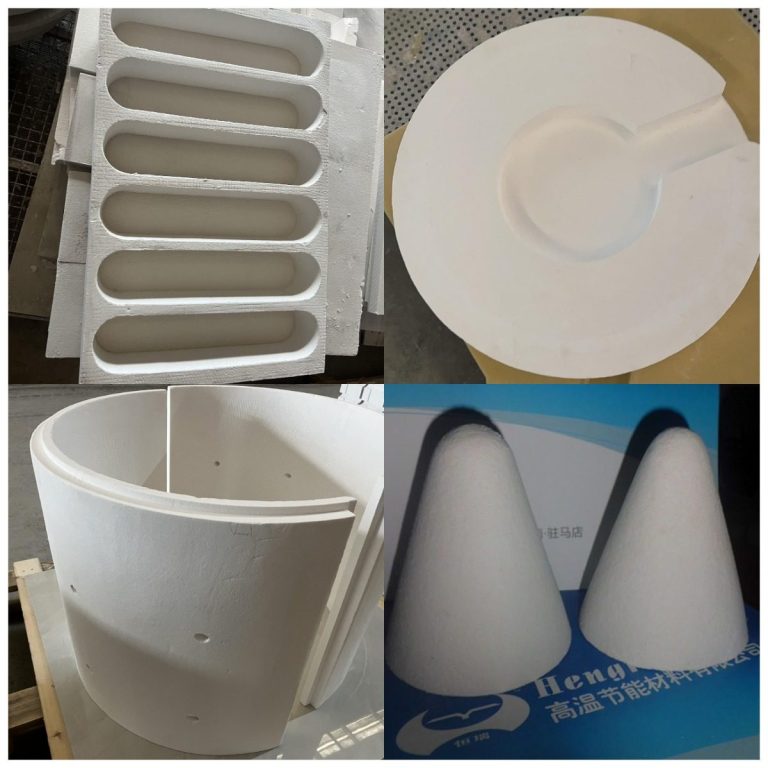
High-temperature equipment rarely consists of simple flat surfaces. Furnace doors, burner surrounds, heating chambers, thermocouple covers, and other components often require insulation with a specific shape and precise dimensions.
This is where ceramic fiber vacuum formed shapes provide a practical solution.
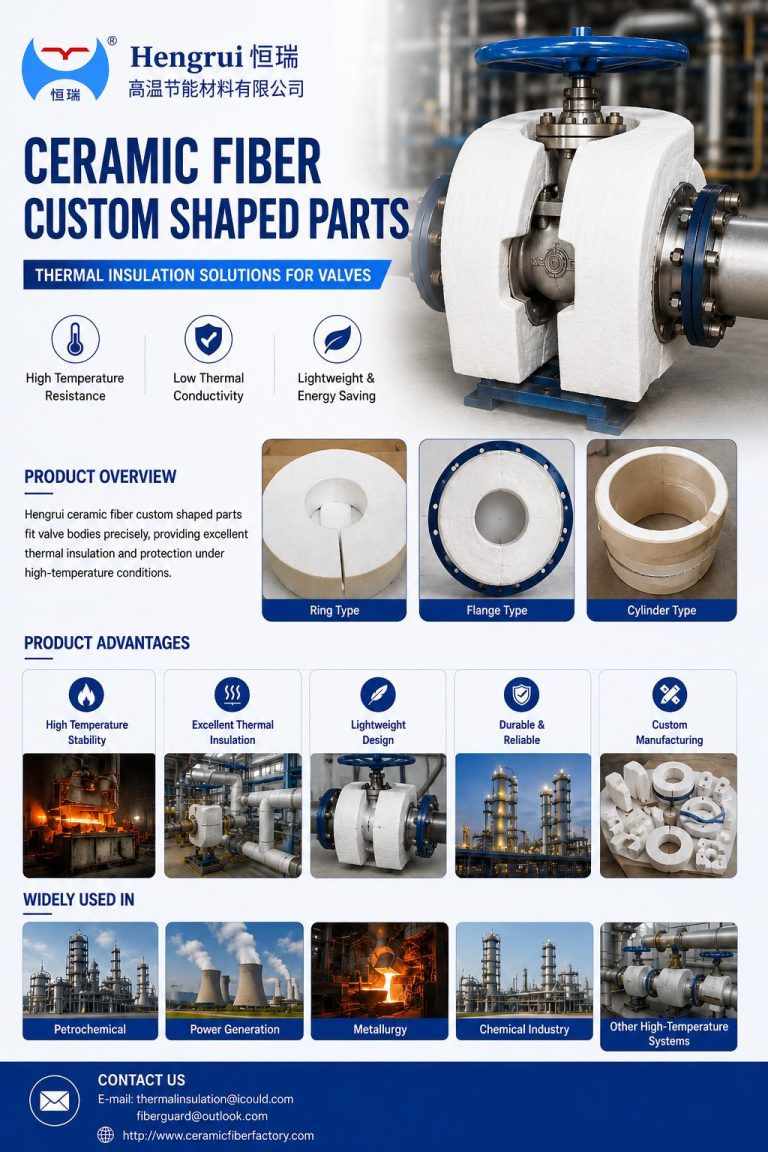
Unlike standard ceramic fiber blankets or boards, vacuum formed shapes are manufactured into customized three-dimensional components. They can be designed to fit specific equipment structures while providing lightweight, high-temperature insulation.
For industrial furnace manufacturers, heating equipment suppliers, and maintenance teams, customized ceramic fiber shapes can simplify installation and improve the fit of insulation around complex components.
What Are Ceramic Fiber Vacuum Formed Shapes?
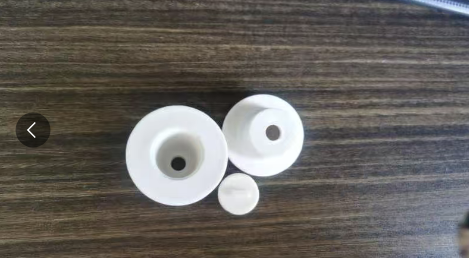
Ceramic fiber vacuum formed shapes are rigid or semi-rigid insulation components manufactured by forming ceramic fiber material into a specific shape using a vacuum forming process.
During production, ceramic fiber slurry is formed over a customized mold. Water is removed through vacuum filtration, allowing the fibers to form the required geometry. The shaped component is then dried and finished according to the application requirements.
The final product can have features such as:
- Customized dimensions
- Holes and openings
- Grooves and channels
- Curved surfaces
- Special mounting sections
- Complex three-dimensional profiles
This manufacturing method makes vacuum formed ceramic fiber suitable for applications where standard insulation products cannot provide the required fit.
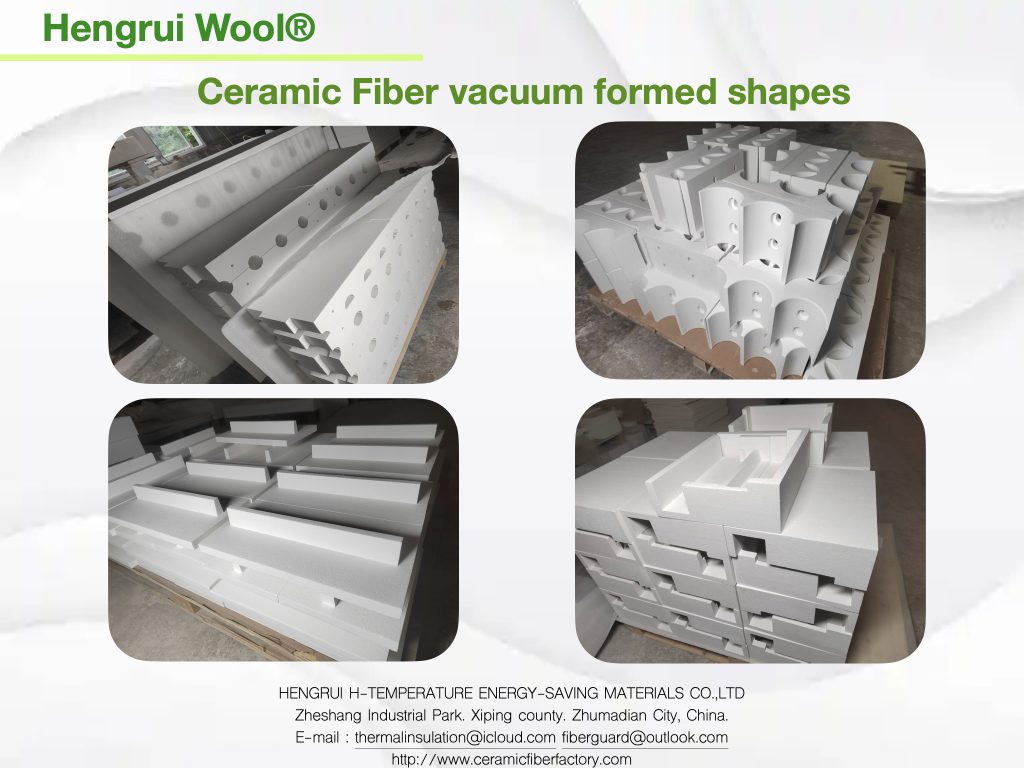
Why Use Vacuum Formed Ceramic Fiber Shapes?
1. Designed for Complex Components
Standard ceramic fiber blanket and board work well on flat or relatively simple surfaces. However, some furnace components require insulation that follows a specific geometry.
Vacuum formed shapes can be designed around the component itself.
For example, a shaped insulation part can include openings for heating elements, thermocouples, burners, or other furnace components.
2. Precise Fit
A close-fitting insulation component can reduce unnecessary gaps around the protected area.
For OEM equipment manufacturers, this is particularly useful because the insulation component can be produced according to engineering drawings or existing component dimensions.
3. Lightweight Construction
Ceramic fiber is significantly lighter than many traditional dense refractory materials.
Using vacuum formed ceramic fiber shapes can help reduce the weight of insulation components while maintaining the required thermal protection.
This is useful for furnace doors, removable covers, heating chambers, and other components where weight is an important consideration.
4. Easy Installation and Replacement
A customized shape can often be installed directly into its designated position without extensive cutting or modification on site.
This can be especially valuable during maintenance.
Instead of cutting a large ceramic fiber board or blanket to match a complicated component, a replacement vacuum formed shape can be produced according to the original dimensions.
5. Consistent Product Geometry
The vacuum forming process uses dedicated molds, which helps maintain consistent dimensions from one production batch to another.
This is important for OEM applications where multiple identical insulation components are required.
Ceramic Fiber Vacuum Formed Shapes vs. Standard Insulation
Not every application requires a customized formed shape.
The best solution depends on the structure and installation requirements.
| Insulation Product | Best Suited For | Main Advantage |
|---|---|---|
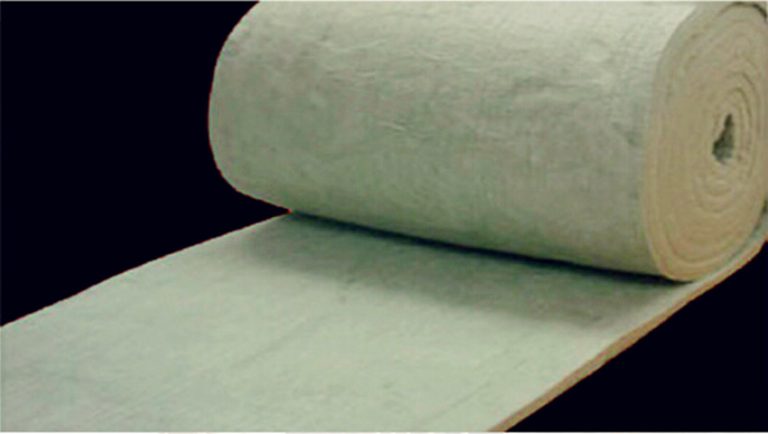
| Ceramic Fiber Blanket | Irregular or large surfaces | Flexible and easy to cut |
| Ceramic Fiber Board | Flat surfaces | Rigid and easy to install |
| Ceramic Fiber Module | Large furnace linings | Fast furnace lining installation |
| Vacuum Formed Shape | Complex components | Customized geometry and precise fit |
If the insulation area is large and relatively flat, blanket or board may be more economical.
If the component has a complex profile, openings, curves, or precise dimensional requirements, ceramic fiber vacuum formed shapes can be a better option.
Common Applications of Ceramic Fiber Vacuum Formed Shapes
Vacuum formed ceramic fiber components are used across a wide range of high-temperature equipment.
Furnace Doors and Covers
Furnace doors often contain openings, hinges, heating components, or other structural features.
A customized ceramic fiber shape can be designed to fit around these components and provide continuous thermal insulation.
Heating Chambers
Electric heating chambers may require insulation around heating elements and chamber walls.
Vacuum formed components can be manufactured with openings or channels for heating elements, electrical connections, and other components.
Burner and Flame Areas
Burner assemblies require insulation around specific components while maintaining the necessary openings for combustion.
A customized shape can help position insulation around the burner without interfering with the equipment structure.
The material selection should consider the actual flame exposure and operating atmosphere.
Thermocouple and Sensor Protection
Thermocouples and temperature sensors often require small openings or protective insulation components.
Vacuum formed shapes can incorporate precise holes or channels to accommodate these components.
Laboratory and Muffle Furnaces
Laboratory furnaces and muffle furnaces often use compact chambers with specific internal dimensions.
Customized ceramic fiber shapes can be produced for chamber insulation, covers, heating zones, and other components where standard boards are difficult to install.
Heat Treatment Equipment
Heat-treatment furnaces can contain complex internal structures and removable components.
Vacuum formed insulation parts can be designed for specific furnace sections to facilitate maintenance and replacement.
Industrial Heating Equipment
Other applications include customized insulation for:
- Kilns
- Glass processing equipment
- Petrochemical heating systems
- Ceramic processing equipment
- Industrial heaters
- High-temperature testing equipment
The suitability of the material depends on the actual temperature, atmosphere, mechanical conditions, and installation location.
Customized Ceramic Fiber Vacuum Formed Shapes from Hengrui
Hengrui supplies customized ceramic fiber vacuum formed shapes for high-temperature industrial equipment.
Our solutions are suitable for applications where standard blanket or board products cannot provide the required shape or installation fit.
We can evaluate products based on:
- Technical drawings
- 3D CAD files
- Existing samples
- Product dimensions
- Furnace specifications
- Application conditions
Whether you need a single replacement component or repeated OEM production, providing the application details allows us to evaluate the appropriate material and manufacturing method.
Need a Customized Ceramic Fiber Shape?
Send us your drawing, sample, dimensions, operating temperature, and required quantity.
Our technical team can review your requirements and help determine whether a ceramic fiber vacuum formed shape is suitable for your application.
Contact Hengrui today for a customized ceramic fiber vacuum formed insulation solution.