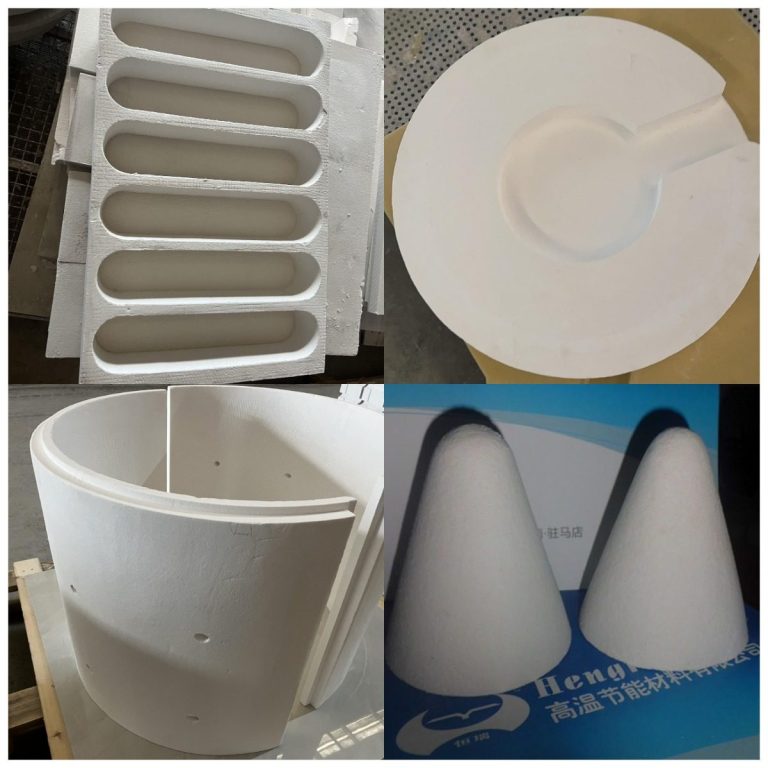
Industrial furnaces, kilns, and thermal processing equipment require reliable insulation to maintain operating temperatures, reduce heat loss, and improve energy efficiency. Traditional refractory linings can provide excellent temperature resistance, but they are often heavy, have high heat storage, and require considerable time for installation and maintenance.
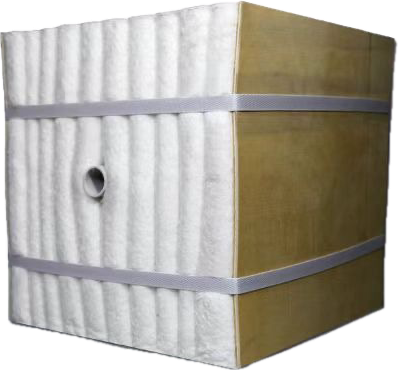
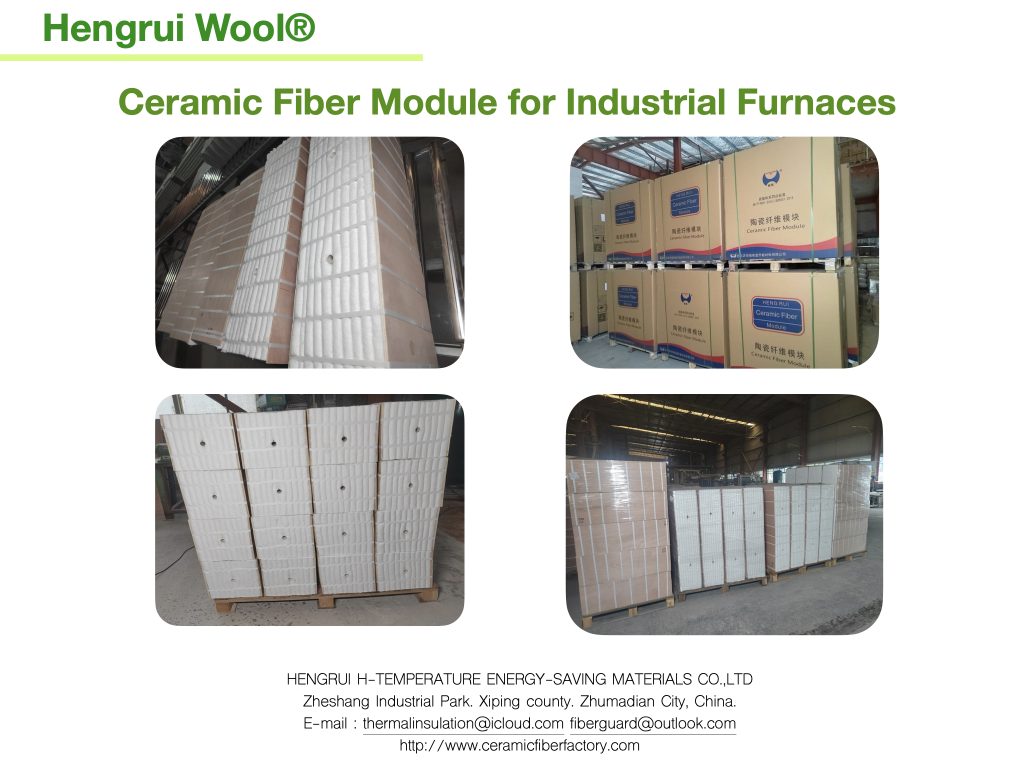
Ceramic fiber modules offer a lightweight and efficient alternative for many high-temperature furnace insulation applications. Manufactured from high-quality ceramic fiber blanket and formed into pre-compressed modules, they are designed for fast installation, low thermal conductivity, and reliable performance in demanding thermal environments.
Our ceramic fiber modules are available in different fiber grades, densities, sizes, and fixing configurations to meet the requirements of different industrial furnaces.
Designed for High-Temperature Furnace Insulation
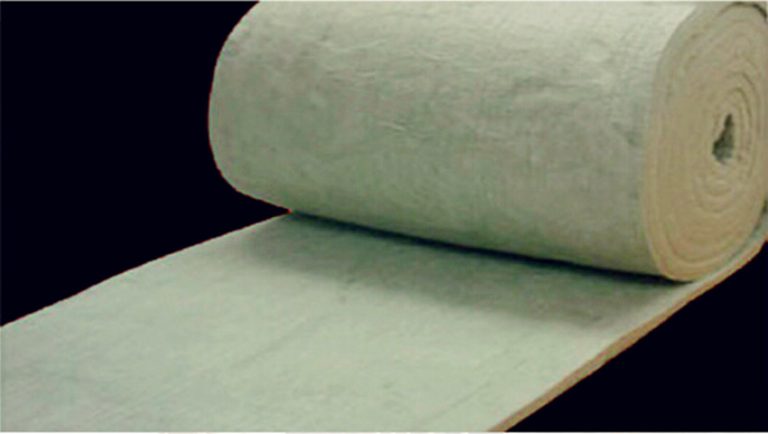
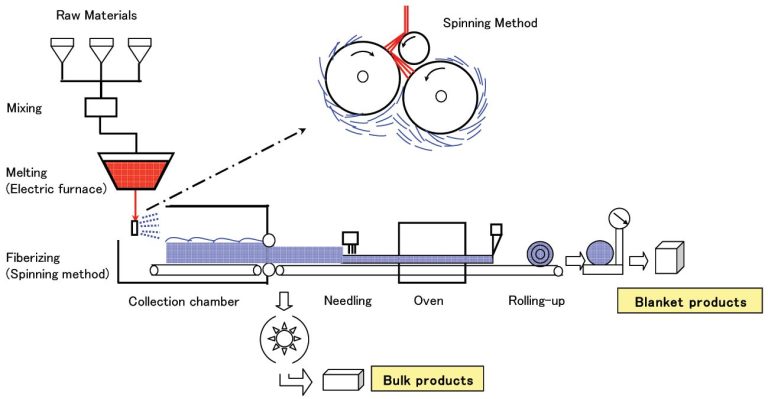
Our ceramic fiber modules are manufactured from ceramic fiber blanket and processed into pre-compressed modules with different fixing systems according to furnace design requirements.
Depending on the application, we can supply ceramic fiber modules made from different grades of ceramic fiber, including:
- 1260°C ceramic fiber
- 1350°C ceramic fiber
- 1400°C ceramic fiber
- 1430°C ceramic fiber
- 1500°C ceramic fiber
- 1600°C ceramic fiber
Different fiber grades, densities, module dimensions, and anchoring methods can be selected according to the furnace operating temperature and lining structure.
Why Choose Ceramic Fiber Modules for Furnace Insulation?
For industrial furnace operators, insulation performance affects not only temperature stability but also energy consumption, heating speed, maintenance requirements, and overall operating costs.
Ceramic fiber modules offer several advantages compared with conventional dense refractory materials.
1. Lightweight Furnace Lining
Ceramic fiber has a much lower density than traditional dense refractory materials. Replacing part of a heavy refractory lining with ceramic fiber modules can significantly reduce the weight of the furnace lining.
2. Low Thermal Conductivity
Ceramic fiber modules provide efficient thermal insulation because of their low thermal conductivity.When properly designed and installed, they help reduce heat transfer through furnace walls and roofs, allowing more of the generated heat to remain inside the working chamber.
3. Low Heat Storage
Traditional refractory linings can store a large amount of heat. Ceramic fiber modules require less energy to heat the insulation itself, which can contribute to faster heating and cooling cycles.This is particularly useful for furnaces that frequently start up, shut down, or change operating temperatures.
4. Fast Installation
Ceramic fiber modules are supplied as pre-formed insulation units, which can simplify furnace lining installation.Compared with conventional refractory masonry, module installation generally requires less on-site preparation and avoids many of the processes associated with castable or brick linings.
5. Easy Maintenance and Replacement
If a section of a ceramic fiber lining becomes damaged during furnace operation, individual modules can often be replaced without rebuilding the entire insulation system.This modular structure can make maintenance more convenient and help reduce furnace downtime.
Ceramic Fiber Module Applications
Ceramic fiber modules are widely used in high-temperature industrial equipment where lightweight, efficient insulation is required.
Typical applications include:
| Application | Typical Use |
|---|---|
| Heat Treatment Furnaces | Furnace walls, roofs, doors |
| Industrial Kilns | High-temperature chamber insulation |
| Petrochemical Furnaces | Furnace lining and thermal insulation |
| Metallurgy Furnaces | Wall and roof insulation |
| Reheating Furnaces | High-temperature thermal insulation |
| Ceramic Kilns | Kiln wall and roof insulation |
| Glass Furnaces | Thermal insulation in selected furnace areas |
| Aluminum Furnaces | Heating and holding furnace insulation |
| Industrial Heaters | High-temperature equipment insulation |
The final insulation design depends on the furnace temperature, atmosphere, heating system, lining structure, and mechanical requirements.
Contact Us Today
Looking for ceramic fiber modules for your industrial furnace?
Send us your requirements and let us know:
Operating Temperature + Furnace Application + Module Size + Insulation Thickness
We will recommend a suitable ceramic fiber module solution for your application.