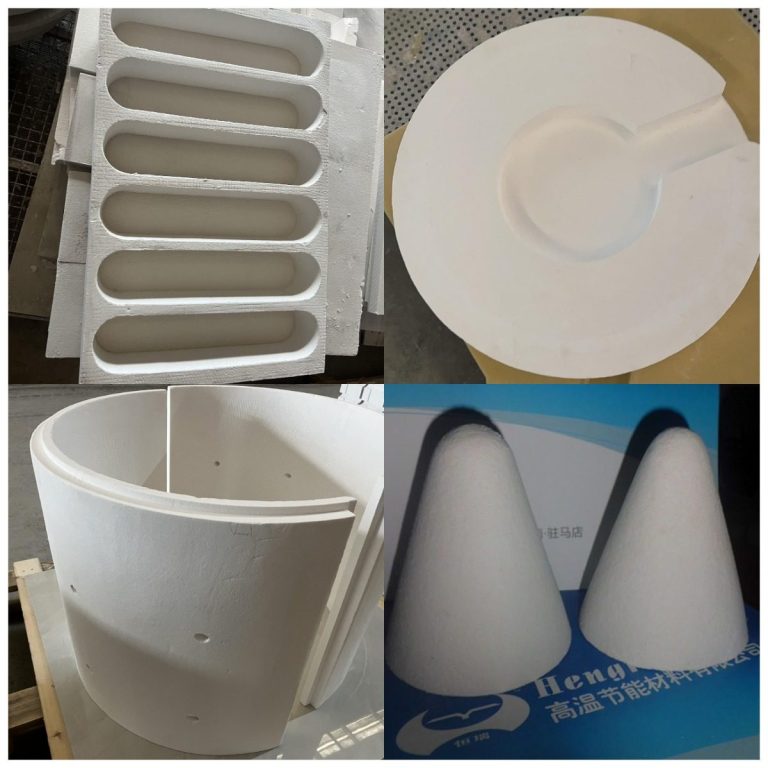
Every degree of heat lost inside a glass tempering furnace increases production costs and reduces process stability. Ceramic Fiber Roller Bricks are specially designed to insulate roller openings, minimize heat loss, protect furnace rollers, and maintain uniform heating—helping manufacturers lower energy consumption while improving glass quality and extending equipment life.
Why Roller Insulation Matters More Than You Think
When engineers discuss glass tempering furnace performance, they usually focus on heating elements, control systems, or insulation walls.
However, one small component often has a surprisingly large impact on furnace efficiency—the roller insulation brick.
Installed around the furnace rollers, these insulation bricks prevent heat from escaping through roller openings while protecting the rollers from excessive thermal exposure.
As the bricks age, crack, or shrink after years of thermal cycling, the furnace gradually loses efficiency.
The result is higher energy bills, unstable temperatures, increased roller wear, and inconsistent glass quality.
Are These Problems Happening in Your Furnace?
| What You Notice | Possible Cause | Impact on Production |
|---|---|---|
| Rising energy consumption | Heat escaping around roller openings | Higher operating costs |
| Rollers require frequent replacement | Poor thermal insulation | Increased maintenance expenses |
| Furnace temperature fluctuates | Damaged insulation bricks | Unstable production |
| Glass flatness or optical quality declines | Uneven heat distribution | Higher rejection rate |
| More maintenance shutdowns | Aging insulation components | Lower production efficiency |
If several of these symptoms sound familiar, replacing worn roller insulation bricks may be one of the most cost-effective upgrades for your furnace.
A Real Production Scenario
Imagine a glass processing company producing architectural tempered glass around the clock.
After several years of continuous operation, operators begin noticing that electricity consumption has increased, yet production output remains unchanged.
Temperature control becomes less stable, roller replacement becomes more frequent, and certain glass panels develop slight optical distortion.
The heating system is inspected first—but no obvious faults are found.
During scheduled maintenance, engineers discover that several roller insulation bricks have cracked and lost their insulating performance.
Heat escapes directly around the roller openings, forcing the heating system to compensate continuously while exposing the rollers to unnecessary thermal stress.
After replacing the damaged roller bricks with new ceramic fiber roller bricks, the furnace gradually returns to stable operation.
Energy consumption decreases, temperature uniformity improves, and roller service life is extended.
What Are Ceramic Fiber Roller Bricks?
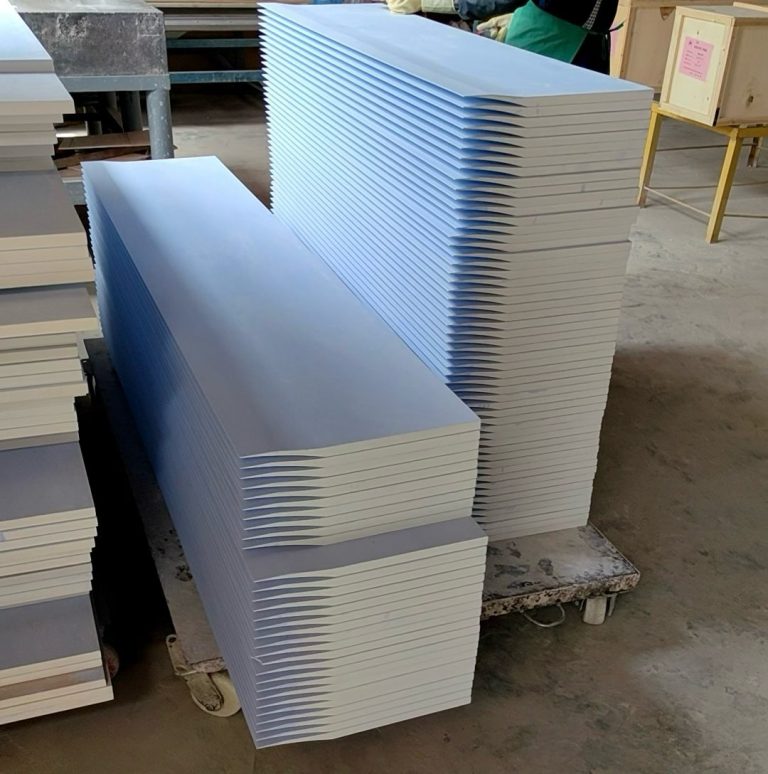
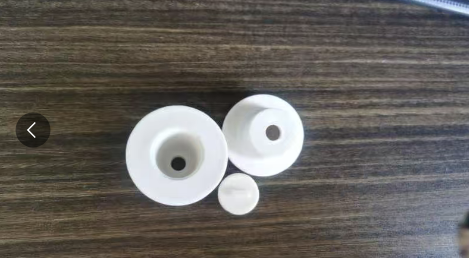
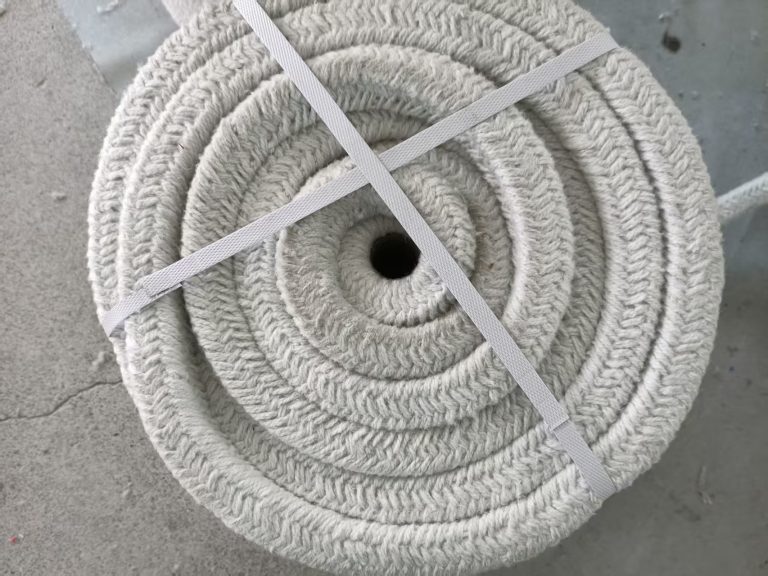
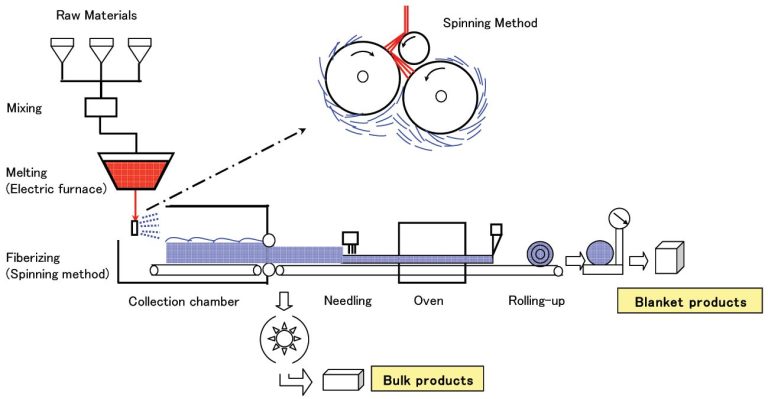
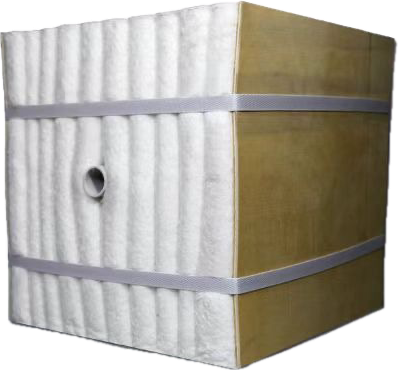
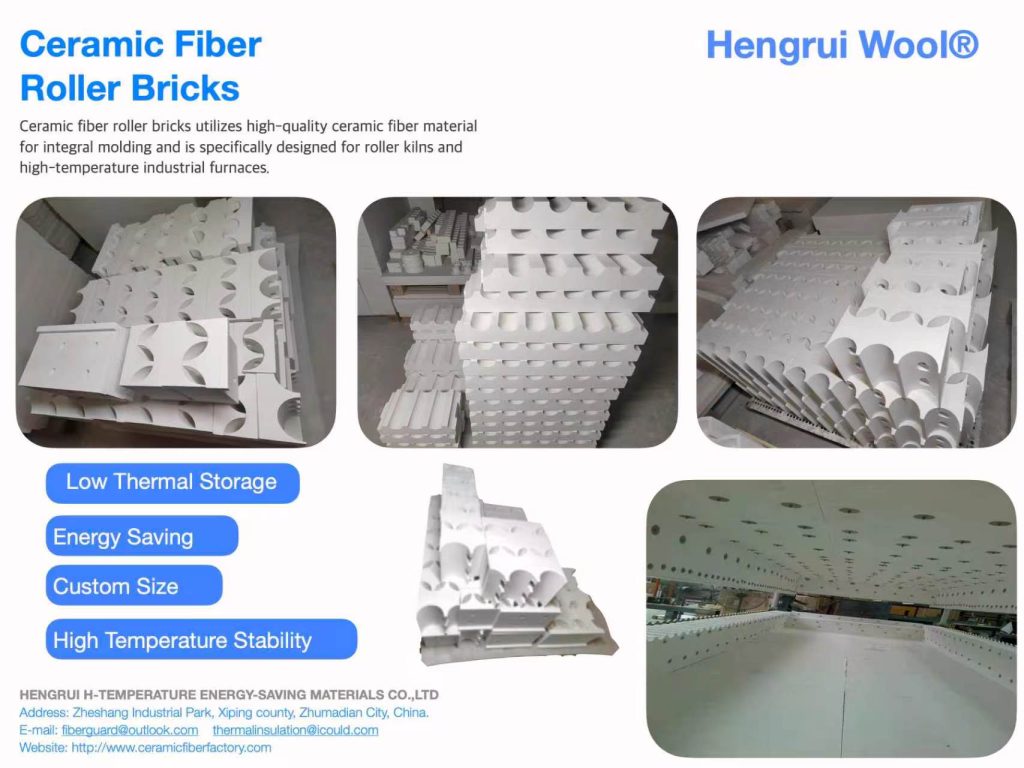
Ceramic Fiber Roller Bricks are lightweight insulation components manufactured from high-quality ceramic fiber using an integrated vacuum-forming process. Designed specifically for roller hearth furnaces and glass tempering furnaces, they provide excellent thermal insulation while maintaining sufficient mechanical strength for continuous industrial operation.
Compared with traditional dense refractory materials, ceramic fiber roller bricks have significantly lower thermal conductivity and much lower heat storage. This allows the furnace to respond more quickly to temperature adjustments while reducing unnecessary energy loss.
Why More Furnace Manufacturers Are Choosing Ceramic Fiber Roller Bricks
| Feature | Benefit for Your Production |
|---|---|
| Low thermal conductivity | Reduces heat loss and energy consumption |
| Lightweight construction | Reduces overall furnace weight |
| Low heat storage | Faster heating and cooling response |
| Excellent thermal shock resistance | Longer service life under repeated thermal cycling |
| High-temperature stability | Reliable performance during continuous production |
| Customized dimensions | Easy replacement without modifying existing equipment |
These advantages make ceramic fiber roller bricks an ideal upgrade for both new furnace designs and replacement projects.
Five Reasons to Upgrade Your Roller Insulation
1. Reduce Heat Loss
Roller openings are one of the largest sources of heat leakage inside a tempering furnace.
By creating an effective insulation barrier, ceramic fiber roller bricks significantly reduce heat escaping from the furnace, improving thermal efficiency and lowering operating costs.
2. Extend Roller Service Life
Rollers operate continuously under high temperatures.
Without proper insulation, localized overheating accelerates roller deformation and wear.
Ceramic fiber roller bricks help create a more stable thermal environment, reducing thermal stress and extending roller lifetime.
3. Improve Temperature Uniformity
Uniform heating is essential for producing high-quality tempered glass.
Better insulation around roller openings minimizes localized temperature fluctuations, helping reduce roller wave, optical distortion, and product defects.
4. Lower Energy Consumption
Unlike dense refractory bricks, ceramic fiber stores very little heat.
This means less energy is required during furnace startup, temperature adjustment, and continuous operation.
For manufacturers running multiple shifts, the energy savings become significant over time.
5. Withstand Repeated Thermal Cycling
Glass tempering furnaces experience frequent heating and cooling cycles.
Ceramic fiber roller bricks offer excellent thermal shock resistance, helping maintain dimensional stability and reducing the risk of cracking during long-term operation.
Choose the Right Material for Your Furnace
Different furnace temperatures require different insulation materials.
| Material Grade | Continuous Working Temperature | Recommended Applications |
|---|---|---|
| AES Bio-Soluble Fiber | Up to 1000°C | Energy-efficient and environmentally friendly furnaces |
| 1260 Ceramic Fiber | Up to 1060°C | Standard glass tempering furnaces |
| 1430 Zirconia Fiber | Up to 1200°C | Heavy-duty continuous production |
| 1500 Polycrystalline Fiber | Up to 1350°C | High-temperature roller hearth furnaces |
| 1600 Polycrystalline Fiber | Up to 1500°C | Extreme high-temperature industrial applications |
HENGRUI offers multiple material grades to match different operating temperatures and furnace designs, ensuring optimal insulation performance for every application.
Standard Roller Brick Configurations
To meet the requirements of most glass tempering furnaces, ceramic fiber roller bricks are commonly available in:
- 3-hole roller bricks
- 4-hole roller bricks
- 5-hole roller bricks
Typical specifications include:
- Roller Hole Diameter: Ø90 mm
- Roller Pitch: 120 mm
- Height: 90 mm or 100 mm
Typical dimensions:
| Configuration | Standard Size |
|---|---|
| 5-Hole Roller Brick | 600 × 200 × 100 mm |
| 4-Hole Roller Brick | 480 × 200 × 100 mm |
Custom dimensions can also be manufactured according to customer drawings or existing furnace components.
Before Ordering Replacement Roller Bricks
To ensure a perfect fit, we recommend measuring the following dimensions before requesting a quotation.
| Dimension | Why It Matters |
|---|---|
| Overall Length | Ensures correct installation |
| Width | Matches the furnace structure |
| Height | Maintains insulation thickness |
| Roller Hole Diameter | Fits existing rollers accurately |
| Roller Pitch | Ensures correct roller alignment |
Tip: If you have an old roller brick, technical drawing, or furnace photos, simply send them to us. Our engineering team can help verify dimensions and recommend the most suitable replacement solution.
Applications Beyond Glass Tempering
Although widely used in glass tempering furnaces, ceramic fiber roller bricks are also ideal for other continuous high-temperature equipment, including:
- Roller hearth kilns
- Continuous heat treatment furnaces
- Lithium battery material production lines
- Powder metallurgy furnaces
- Electronic ceramic manufacturing
- Advanced ceramic processing equipment
Their lightweight design, excellent insulation performance, and thermal shock resistance make them suitable for a wide range of industrial heating applications.
Why Choose HENGRUI Ceramic Fiber Roller Bricks?
| HENGRUI Advantages | Customer Benefits |
|---|---|
| High-quality ceramic fiber materials | Stable insulation performance and long service life |
| Multiple temperature grades (1200–1600°C) | Suitable for different furnace operating conditions |
| Standard and customized designs | Easy replacement for existing roller bricks |
| Precision vacuum-forming process | Consistent dimensions and reliable quality |
| Technical support from experienced engineers | Faster selection and reduced maintenance downtime |
| Global export experience | Reliable delivery and responsive customer service |
Frequently Asked Questions
How long do ceramic fiber roller bricks typically last?
The service life depends on furnace temperature, operating cycles, and maintenance conditions. Under normal operating conditions, high-quality ceramic fiber roller bricks provide long-term, reliable insulation performance.
Can roller bricks be customized?
Yes. HENGRUI manufactures custom roller bricks based on customer drawings, samples, or furnace dimensions.
What information is needed for a quotation?
Please provide the overall length, width, height, roller hole diameter, and roller pitch. Photos or technical drawings are also helpful.
Which material grade should I choose?
The appropriate grade depends on your furnace's continuous operating temperature and production process. Our technical team can recommend the most suitable material for your application.
Improve Furnace Performance with the Right Roller Brick Solution
Replacing worn roller insulation bricks is one of the simplest and most effective ways to improve furnace efficiency without major equipment modifications.
Whether you need standard 3-hole, 4-hole, or 5-hole roller bricks, or fully customized insulation components, HENGRUI provides engineered ceramic fiber solutions that help reduce heat loss, protect rollers, improve temperature uniformity, and lower operating costs.
Contact our engineering team today for a customized recommendation or quotation based on your furnace drawings or existing roller brick dimensions.