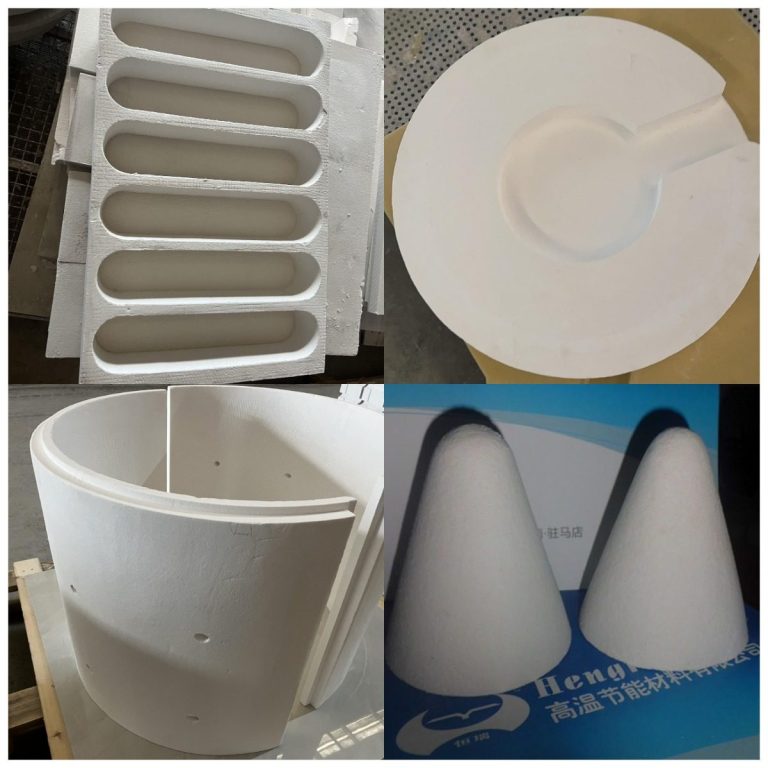
Industrial furnaces lose energy every day through walls, roofs, and hot surfaces. Choosing the right insulation material is one of the most effective ways to reduce heat loss, improve temperature stability, and lower operating costs. Ceramic Fiber Board combines low thermal conductivity, excellent thermal shock resistance, and high-temperature stability, making it an ideal insulation solution for a wide range of industrial heating applications.
Why Furnace Insulation Is More Important Than Ever
Whether you operate a glass tempering furnace, aluminum melting furnace, roller kiln, or heat treatment furnace, insulation directly affects production efficiency.
As energy prices continue to rise, manufacturers are under increasing pressure to reduce energy consumption while maintaining consistent product quality.
Many furnace operators focus on burners or heating elements, but overlook another key factor—the insulation lining.
Poor insulation can lead to:
- Increased fuel or electricity consumption
- Longer heating times
- Unstable furnace temperatures
- Higher equipment surface temperatures
- More frequent maintenance
- Shorter furnace service life
Upgrading to high-performance ceramic fiber board is often one of the simplest ways to improve furnace efficiency without redesigning the entire heating system.
Is Your Furnace Facing These Challenges?
| What You Notice | Possible Cause | Impact on Production |
|---|---|---|
| Rising energy bills | Heat loss through furnace walls | Higher operating costs |
| Slow heating response | High thermal mass insulation | Longer production cycles |
| Temperature fluctuations | Insufficient insulation performance | Reduced product quality |
| Hot outer furnace shell | Excessive heat transfer | Unsafe working environment |
| Frequent maintenance | Insulation aging or cracking | Increased downtime |
If these problems sound familiar, your insulation system may no longer be performing efficiently.
A Typical Customer Story
A manufacturer producing tempered glass noticed that energy consumption had increased by nearly 15% over several years.
The heating system was functioning normally, yet furnace temperatures became increasingly difficult to control.
After inspecting the furnace lining, engineers discovered that the original insulation boards had deteriorated after years of continuous thermal cycling.
The solution was straightforward.
The worn insulation was replaced with Ceramic Fiber Board, reducing heat loss through the furnace walls and improving overall temperature stability.
Within a short period, the furnace required less energy to maintain operating temperature, while product consistency also improved.
What Is Ceramic Fiber Board?
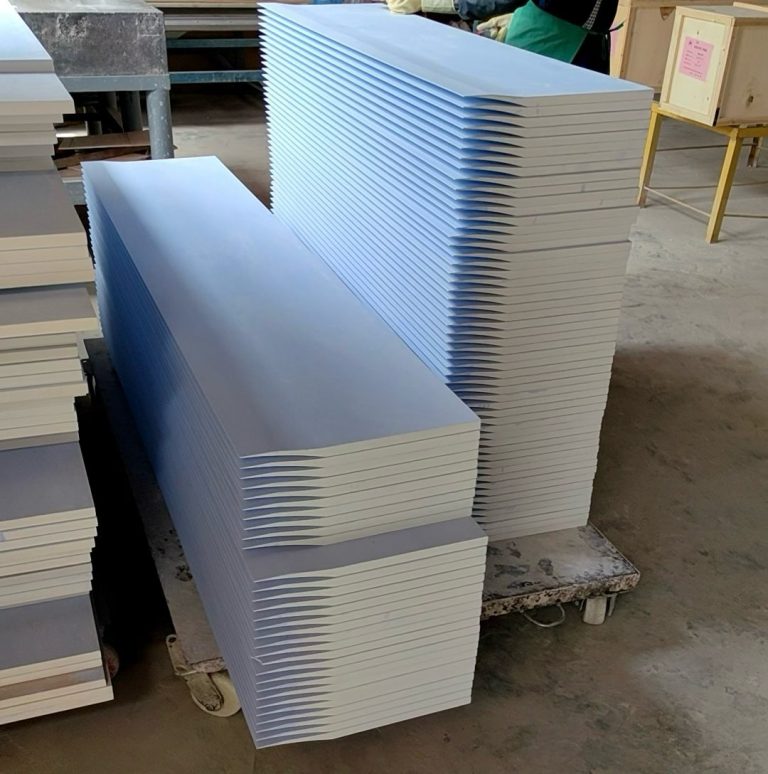
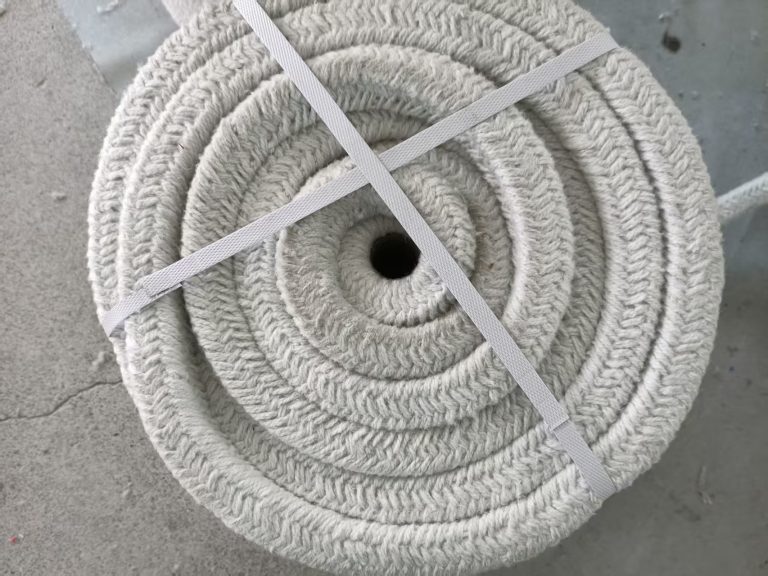
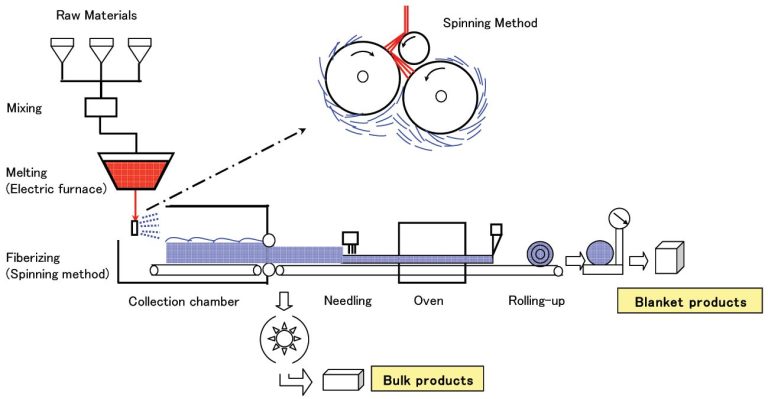
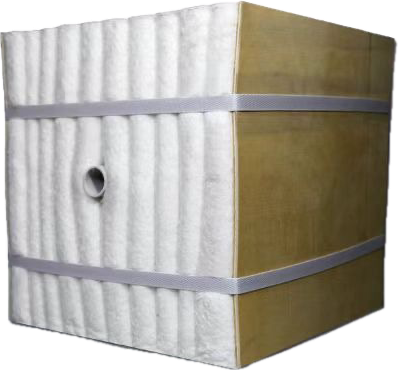
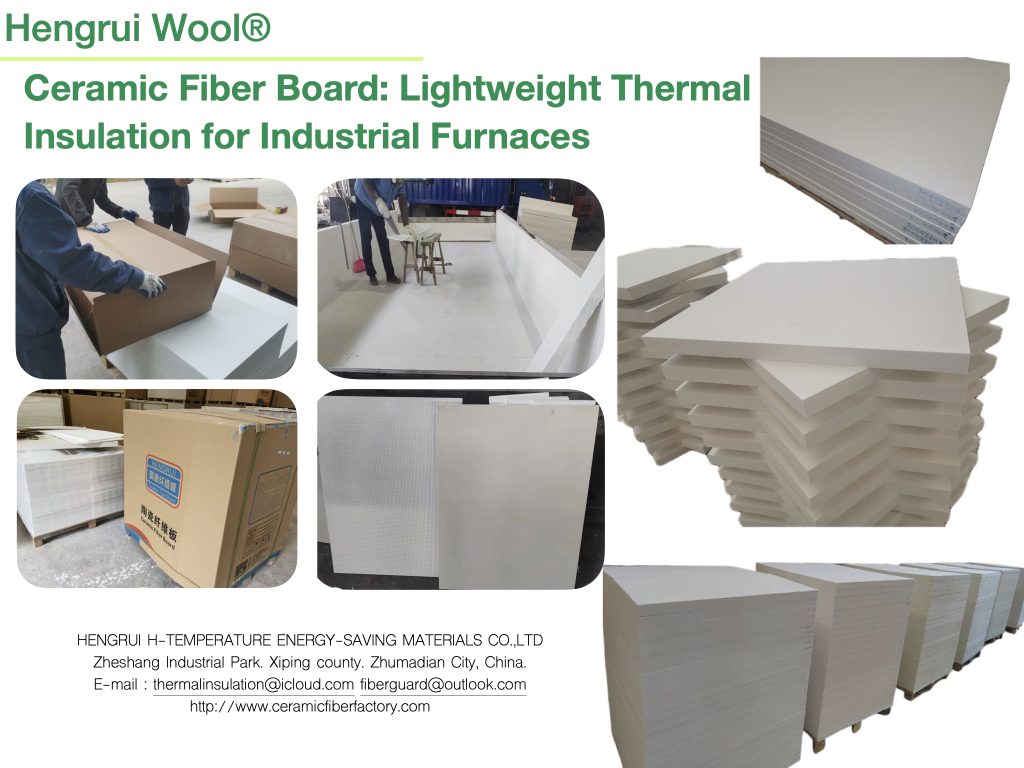
Ceramic Fiber Board is a rigid insulation material manufactured from high-temperature ceramic fibers combined with carefully selected organic and inorganic binders. Through a specialized production process, the boards achieve excellent mechanical strength while maintaining low thermal conductivity and outstanding resistance to thermal shock.
Unlike traditional dense refractory materials, ceramic fiber boards are lightweight and store very little heat. This allows industrial furnaces to heat up more quickly, cool down faster during maintenance, and consume less energy during operation.
Why Choose Ceramic Fiber Board?
| Feature | Benefit for Your Furnace |
|---|---|
| Low thermal conductivity | Reduces heat loss and energy consumption |
| Low thermal capacity | Faster heating and cooling cycles |
| Excellent thermal shock resistance | Longer service life under repeated temperature changes |
| High-temperature stability | Reliable continuous operation |
| Easy machining | Can be cut, drilled, and customized |
| Flame resistant | Suitable for direct high-temperature applications |
| Easy installation | Reduces installation time and maintenance costs |
These characteristics make ceramic fiber board one of the most widely used insulation materials in modern industrial furnaces.
Available Temperature Grades
Different industrial processes require different insulation materials.
HENGRUI Ceramic Fiber Boards are available in multiple grades to meet various operating temperatures.
| Material Grade | Continuous Working Temperature | Typical Applications |
|---|---|---|
| 1200°C AES Board | Up to 1000°C | Energy-saving furnace insulation |
| 1260°C Ceramic Fiber Board | Up to 1060°C | General industrial furnaces |
| 1430°C Zirconia Board | Up to 1200°C | Glass industry and high-temperature equipment |
| 1500°C Board | Up to 1350°C | Heat treatment furnaces |
| 1600°C Board | Up to 1400°C | High-temperature industrial kilns |
| 1700°C Board | Up to 1500°C | Advanced ceramic applications |
| 1800°C Board | Up to 1650°C | Extreme high-temperature environments |
This wide temperature range enables engineers to select the most suitable insulation solution for their specific process requirements.
Typical Applications
Ceramic Fiber Board is suitable for a wide variety of high-temperature industries.
Common applications include:
| Industry | Typical Use |
|---|---|
| Glass Industry | Glass tempering furnace insulation |
| Aluminum Industry | Molten aluminum furnace lining |
| Ceramics | Roller kiln backing insulation |
| Heat Treatment | Furnace wall and door insulation |
| Metal Melting | Furnace lining insulation |
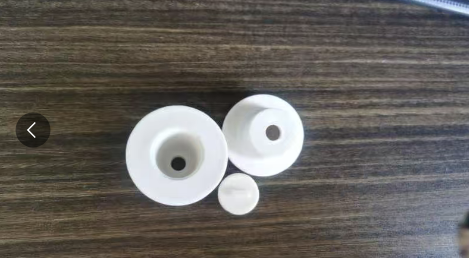
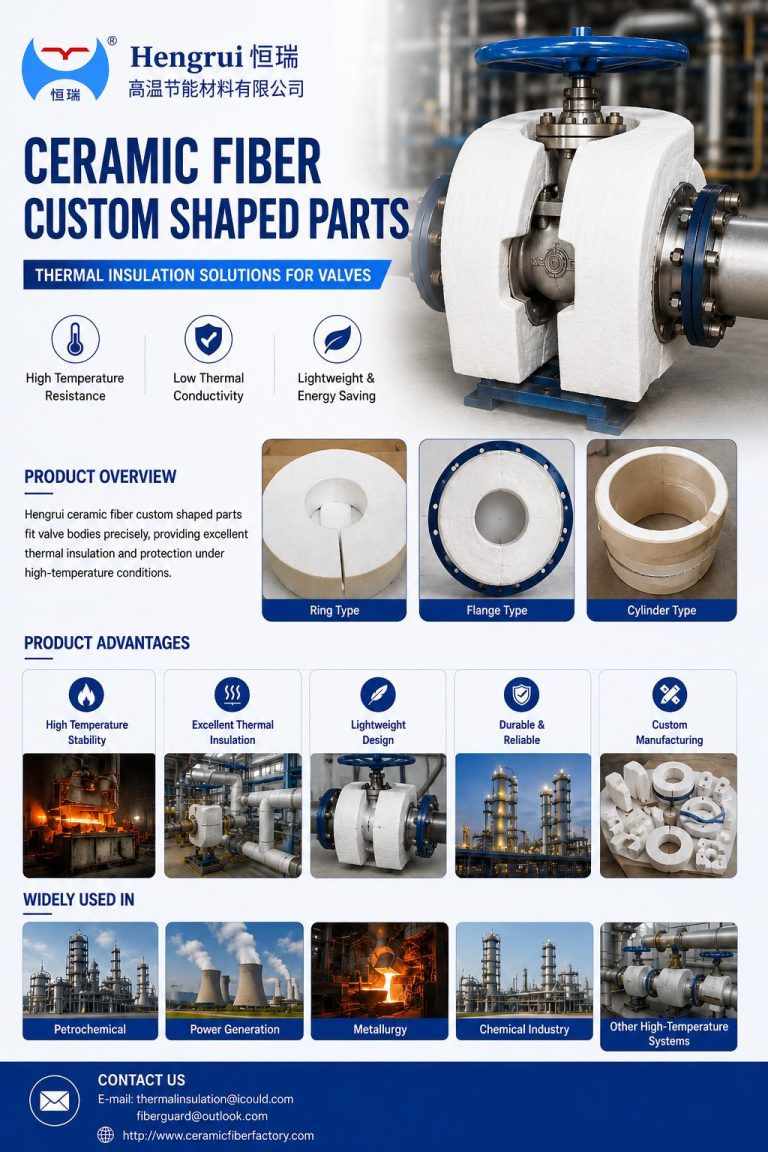
| Industrial Equipment | Custom vacuum-formed insulation components |
Thanks to its lightweight structure and excellent thermal insulation performance, ceramic fiber board helps improve furnace efficiency across many industrial heating systems.
Standard Sizes and Custom Manufacturing
To meet different equipment requirements, ceramic fiber boards are available in standard dimensions including:
| Length | Width | Thickness |
|---|---|---|
| 1200 mm | 1000 mm | 6–100 mm |
| 1000 mm | 600 mm | 6–100 mm |
Custom thicknesses, dimensions, and special shapes can also be manufactured according to customer drawings or application requirements.
Why Choose HENGRUI Ceramic Fiber Board?
| HENGRUI Advantages | Customer Value |
|---|---|
| Multiple temperature grades | Suitable for applications from 1000°C to 1800°C |
| Stable product quality | Consistent thermal insulation performance |
| Excellent machinability | Easy to fabricate into custom parts |
| Standard and customized sizes | Fits various furnace designs |
| Professional technical support | Faster product selection and engineering assistance |
| Reliable global supply | Stable delivery for international customers |
Frequently Asked Questions
Can ceramic fiber board withstand direct flame?
Yes. Ceramic fiber board offers excellent flame resistance and is suitable for many high-temperature furnace insulation applications.
Can the board be machined?
Yes. It can be cut, drilled, milled, and processed into customized shapes for different equipment designs.
How do I choose the right grade?
The correct material depends on your furnace's continuous operating temperature, heating process, and insulation requirements. Our engineers can recommend the most suitable solution.
Improve Furnace Efficiency with the Right Insulation
Whether you're building a new furnace or upgrading an existing insulation system, Ceramic Fiber Board offers an effective way to reduce heat loss, improve temperature stability, and lower energy consumption.
With multiple temperature grades, customizable dimensions, and excellent thermal performance, HENGRUI Ceramic Fiber Board provides a reliable insulation solution for glass, metallurgy, ceramics, aluminum, and heat treatment industries.
Contact our technical team today to discuss your application or request a customized quotation.