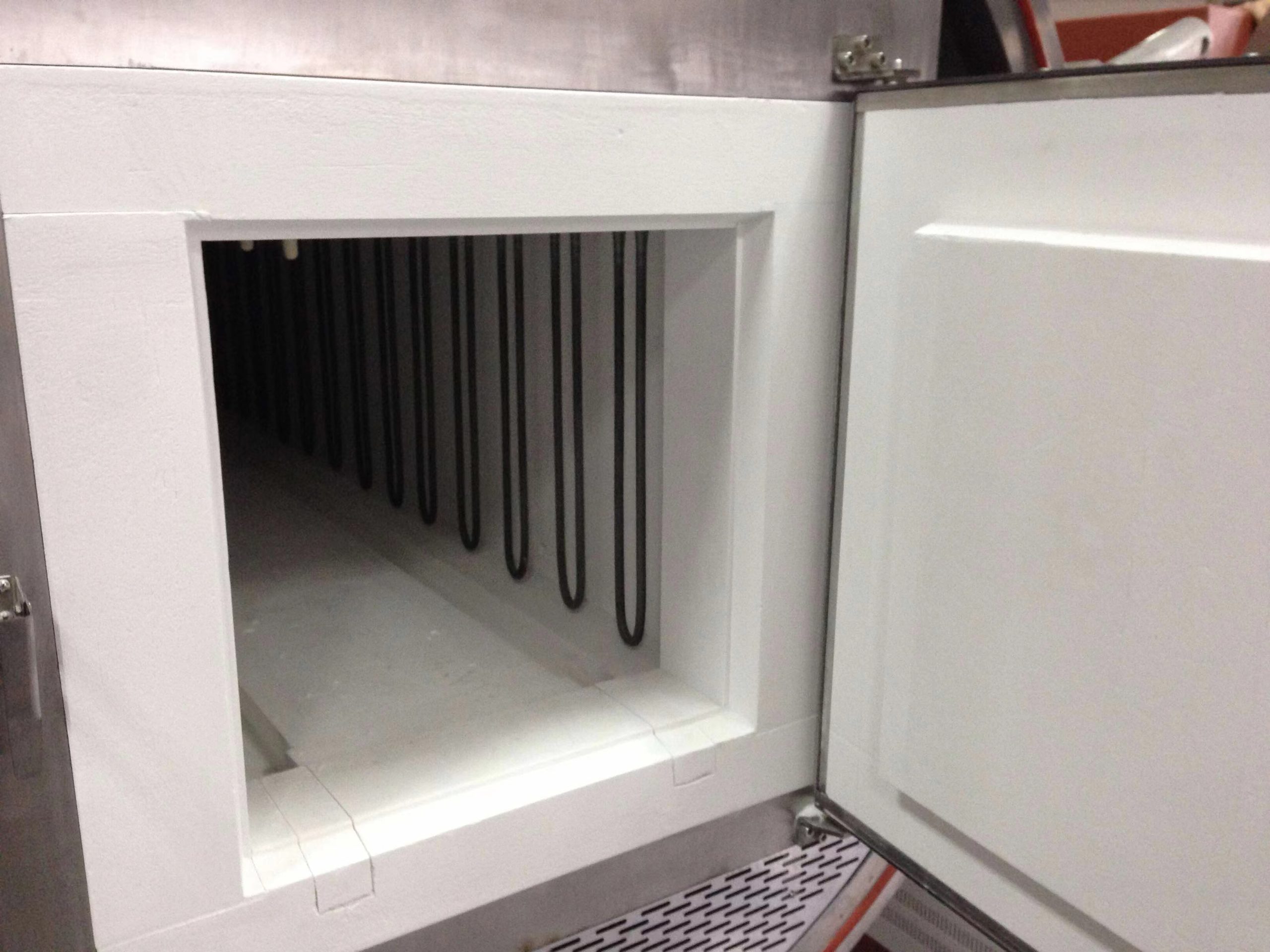
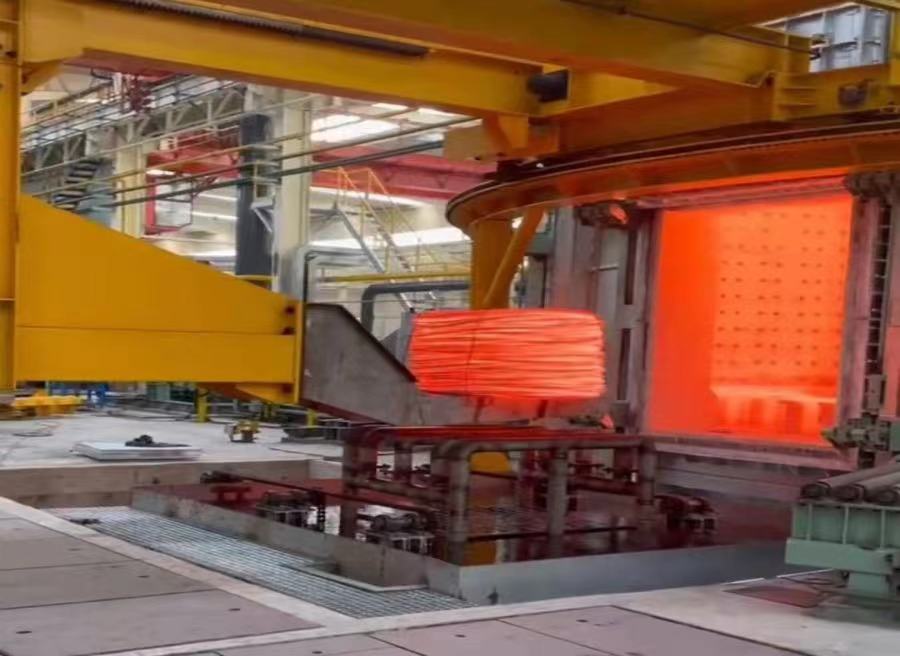
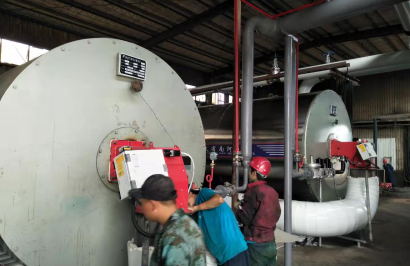
Ceramic fibres are widely used in various high-temperature industrial applications. This is due to their excellent thermal insulation properties. In recent years, they have also been increasingly applied in the production of lithium battery materials, particularly in kiln furnace equipment.
Lithium battery material kiln furnace equipment requires a high-temperature environment for the sintering of the materials. Ceramic fibres are used as insulation materials in the kiln furnace. Consequently, they maintain a stable and uniform temperature, preventing heat loss and improving energy efficiency.
Compared with traditional insulation materials such as refractory bricks and castables, ceramic fibres have several advantages. These include high temperature resistance, low thermal conductivity, and lightweight. They can effectively reduce the weight of the kiln furnace equipment. This improves the thermal insulation performance and reduces energy consumption.
In addition, ceramic fibres can be easily installed and replaced, which greatly reduces maintenance costs and improves production efficiency. They also have good chemical stability, which ensures the long-term stability and reliability of the kiln furnace equipment.
In conclusion, the application of ceramic fibres in lithium battery material kiln furnace equipment is an effective way to improve production efficiency. It also helps reduce energy consumption and ensures the stability and reliability of the equipment.


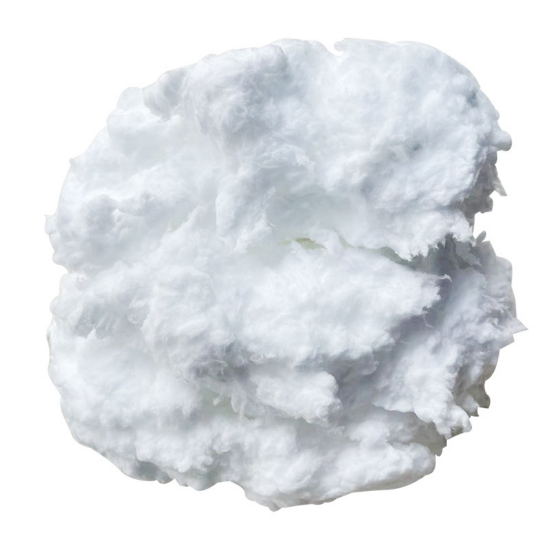
Fiber Diameter: 3-5 (um)
Max·Service Temp: 1230 (℃)
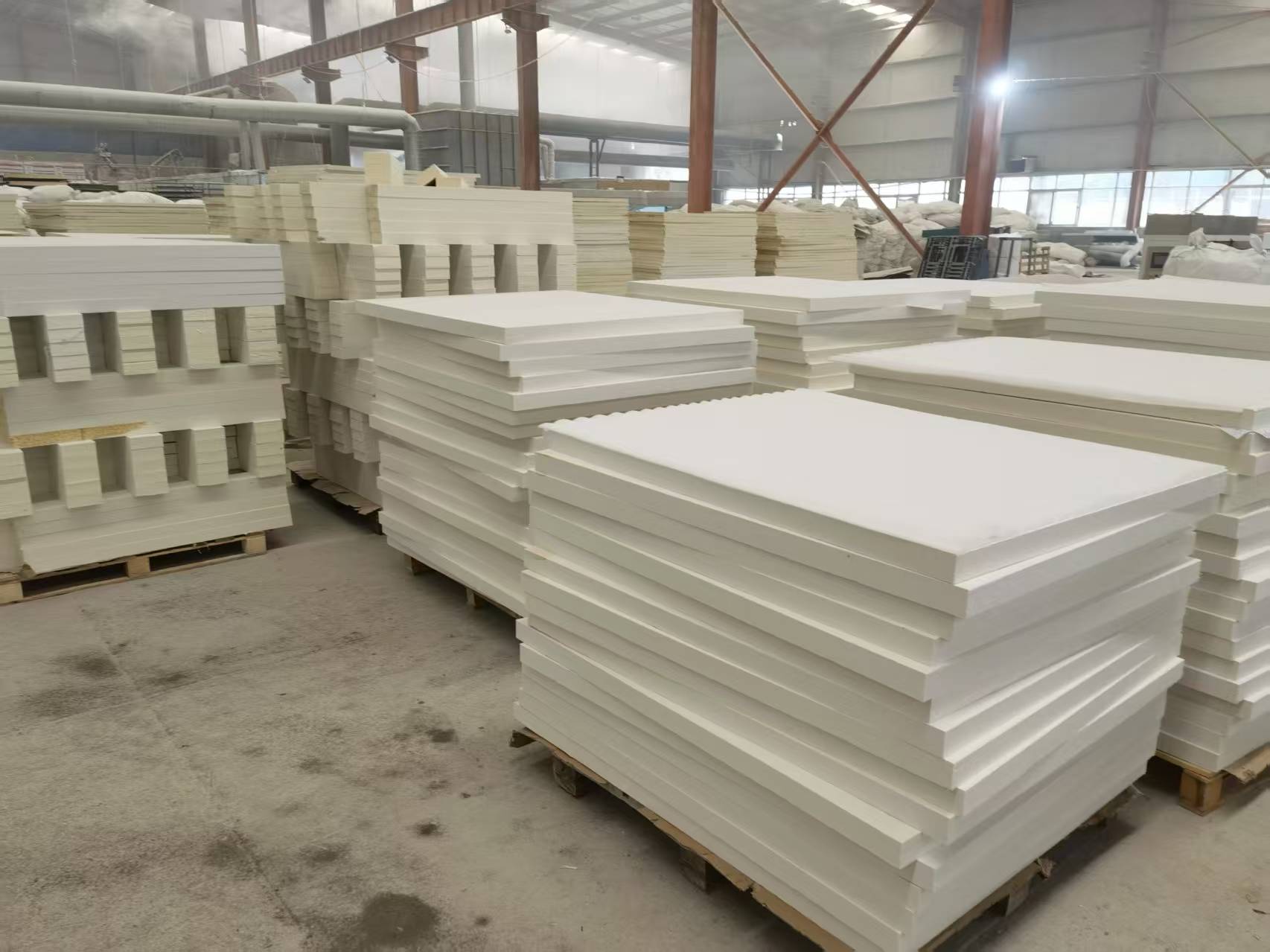
Package: Cartons or Pallets
Max·Service Temp: 1230 (℃)
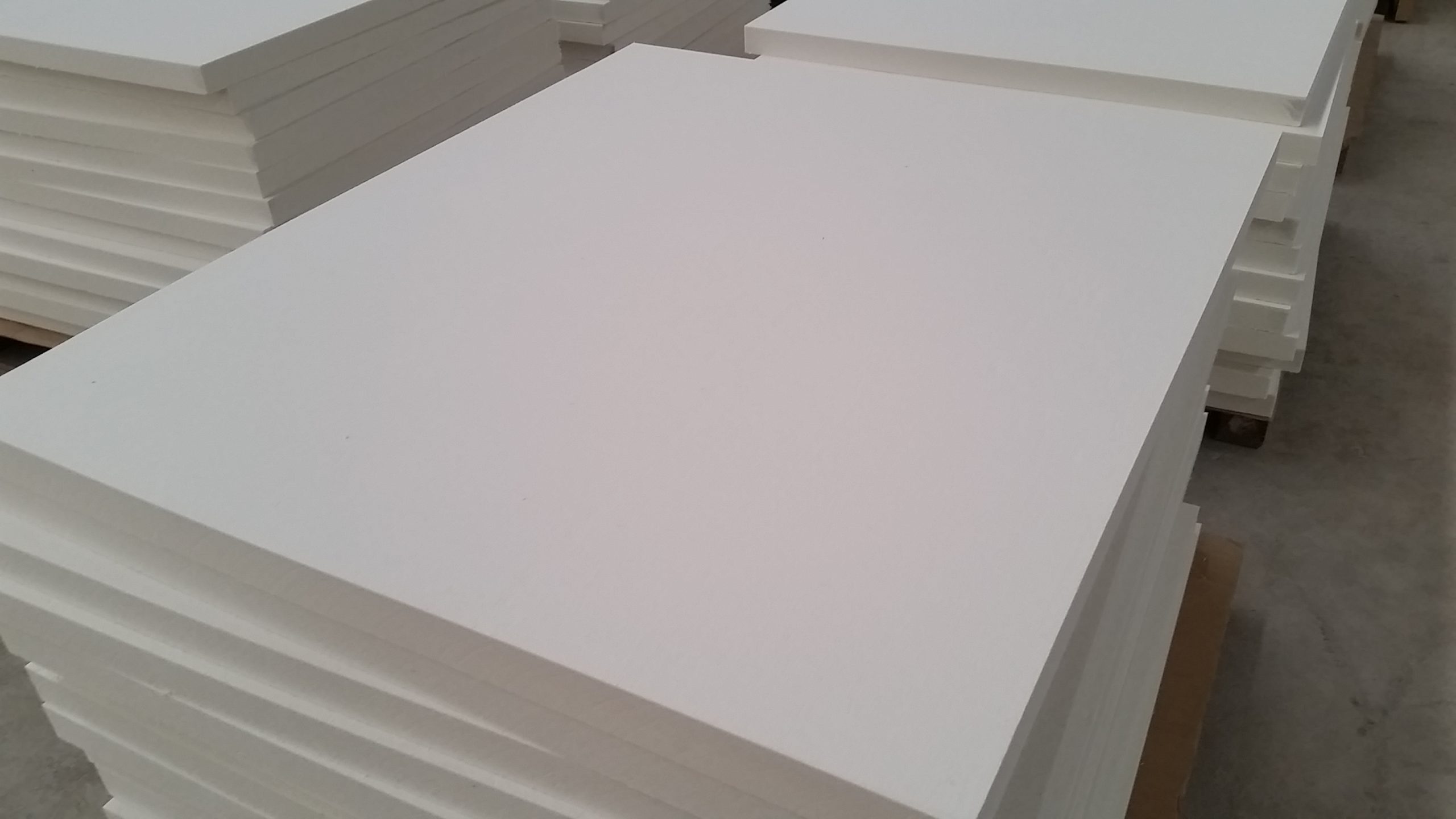
Package: Cartons or Pallets
Max·Service Temp: 1230 (℃)