Industrial furnaces operate under extreme temperatures where heat retention, energy efficiency, and maintenance costs directly affect production performance. Choosing the right insulation system is therefore essential for ensuring long-term operational reliability.
Ceramic Fiber Modules have become one of the most widely used furnace lining solutions due to their lightweight design, excellent thermal insulation properties, and quick installation. They are extensively applied in heat treatment, steel, petrochemical, ceramic, glass, and non-ferrous metal industries.
This article explores where ceramic fiber modules are used and why they have become the preferred insulation solution for modern industrial furnaces.
What Are Ceramic Fiber Modules?
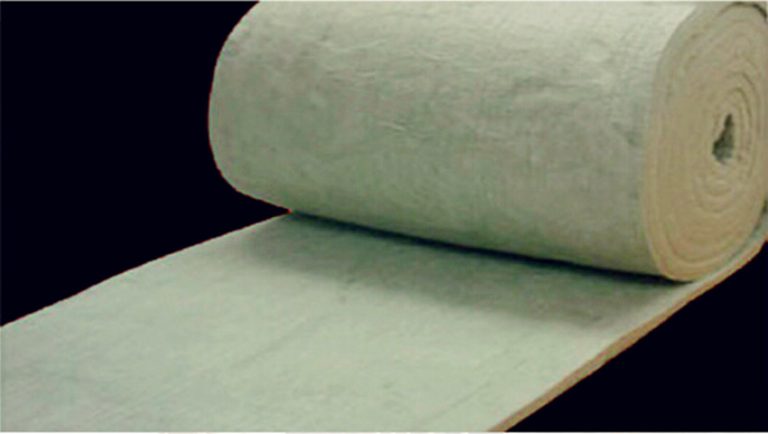
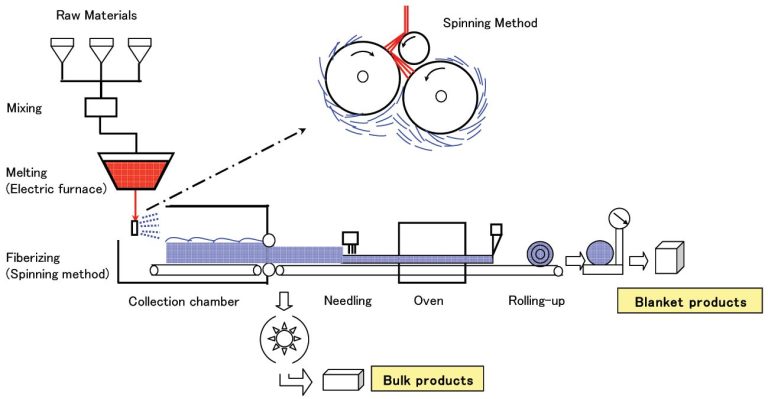
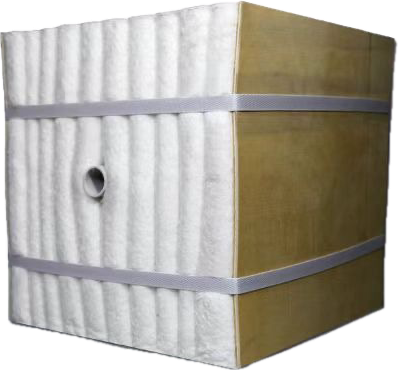
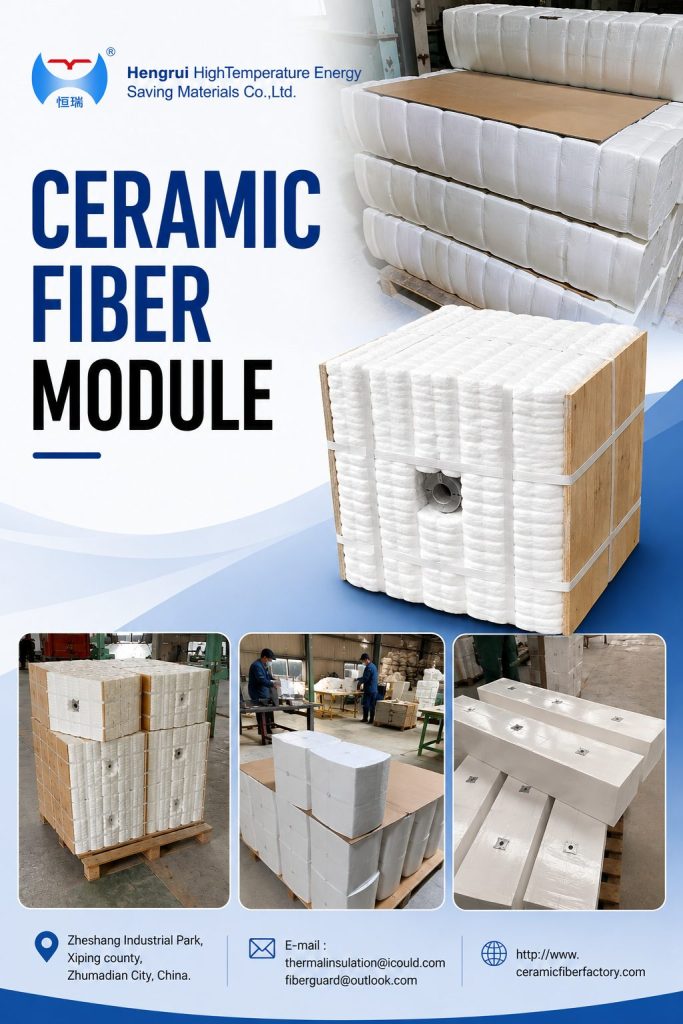
Ceramic Fiber Modules are pre-compressed insulation units manufactured from ceramic fiber blankets. They are folded or stacked into compact blocks and secured with internal anchoring systems for rapid installation.
Compared with traditional refractory bricks or castables, ceramic fiber modules significantly reduce furnace weight while providing excellent thermal efficiency.
Depending on furnace design and installation requirements, different anchoring systems are available, including:
- Folded Modules
- Stacked Modules
- Edge-Grain Modules
- Hidden Anchor Modules
- Customized Modules
Modules are available in temperature grades ranging from 1050°C to 1600°C, making them suitable for a wide variety of industrial heating processes.
Why Ceramic Fiber Modules Are Widely Used
Excellent Thermal Insulation
The low thermal conductivity of ceramic fiber greatly reduces heat transfer through furnace walls.
Benefits include:
- Reduced heat loss
- Faster heating cycles
- Lower fuel or electricity consumption
- Improved temperature stability
These advantages help manufacturers reduce operating costs while improving production efficiency.
Lightweight Furnace Construction
Traditional refractory linings can add significant weight to industrial furnaces.
Ceramic fiber modules are much lighter, which provides several benefits:
- Reduced structural load
- Lower steel framework requirements
- Easier transportation and installation
- Lower construction costs
The lightweight design is particularly valuable for large industrial furnaces.
Fast Installation
Since the modules are pre-engineered and pre-compressed, installation is much faster than laying refractory bricks individually.
Advantages include:
- Reduced installation time
- Shorter shutdown periods
- Lower labor costs
- Easier future maintenance
For furnace upgrades or emergency repairs, ceramic fiber modules can significantly reduce downtime.
Excellent Thermal Shock Resistance
Industrial furnaces often experience repeated heating and cooling cycles.
Ceramic fiber modules maintain their structural integrity under rapid temperature changes thanks to their flexible fiber structure.
They resist:
- Cracking
- Spalling
- Thermal stress damage
This extends the service life of the furnace lining.
Energy Saving Performance
Lower thermal mass allows ceramic fiber modules to absorb less heat during furnace startup.
As a result:
- Faster temperature rise
- Lower startup energy consumption
- Better temperature control
- Higher production efficiency
Many industrial users report significant energy savings after replacing heavy refractory linings with ceramic fiber module systems.
Typical Applications of Ceramic Fiber Modules
Ceramic fiber modules are suitable for various high-temperature equipment.
Heat Treatment Furnaces
Heat treatment requires accurate temperature control and uniform heat distribution.
Ceramic fiber modules help:
- Improve temperature consistency
- Reduce heat loss
- Shorten heating cycles
Common applications include:
- Annealing furnaces
- Hardening furnaces
- Tempering furnaces
- Car-bottom furnaces
Steel Industry
Steel production involves continuous exposure to extremely high temperatures.
Modules are commonly installed in:
- Reheating furnaces
- Forging furnaces
- Soaking pits
- Ladle preheaters
Their lightweight structure helps reduce furnace shell temperatures and improve energy efficiency.
Petrochemical Industry
Process heaters and reformers require reliable insulation capable of withstanding prolonged high-temperature operation.
Ceramic fiber modules are used in:
- Reformer furnaces
- Cracking furnaces
- Hydrogen production units
- Process heaters
They provide excellent resistance to thermal cycling while minimizing heat loss.
Ceramic Industry
Ceramic kilns require stable temperatures to ensure consistent product quality.
Applications include:
- Tunnel kilns
- Shuttle kilns
- Roller kilns
Modules help improve firing efficiency while reducing fuel consumption.
Glass Industry
Glass furnaces operate continuously under demanding conditions.
Ceramic fiber modules are used for:
- Crown insulation
- Annealing lehrs
- Forehearth insulation
- Hot gas ducts
Their excellent insulation performance contributes to more stable furnace temperatures.
Aluminum and Non-Ferrous Metal Industry
Modules are widely applied in:
- Holding furnaces
- Melting furnaces
- Homogenizing furnaces
- Heat treatment furnaces
They reduce energy consumption while improving furnace response time.
Choosing the Right Ceramic Fiber Module
When selecting ceramic fiber modules, several factors should be considered:
- Maximum operating temperature
- Furnace atmosphere
- Heating method
- Installation orientation
- Anchor system
- Module density
- Module size
- Thermal cycling conditions
Customized module designs ensure optimal insulation performance and longer service life.
Why Choose Hengrui Ceramic Fiber Modules?
Hengrui manufactures high-quality ceramic fiber modules designed for demanding industrial applications.
Our advantages include:
- Temperature grades up to 1600°C
- High-purity ceramic fiber materials
- Multiple anchor system options
- Custom sizes and densities
- Excellent thermal insulation performance
- Fast delivery and technical support
- OEM & customized manufacturing
Whether you are building a new furnace or upgrading an existing insulation system, Hengrui provides reliable ceramic fiber module solutions tailored to your application.
Conclusion
Ceramic Fiber Modules have become the preferred insulation solution for modern industrial furnaces due to their excellent thermal efficiency, lightweight construction, rapid installation, and long service life.
As industries continue to focus on energy conservation and operational efficiency, ceramic fiber module systems offer an effective way to reduce heat loss, improve productivity, and lower maintenance costs.
If you are looking for customized ceramic fiber module solutions for your furnace project, Hengrui is ready to provide professional technical support and high-performance insulation products.