Home / Ceramic Fiber Vacuum Formed shapes | High-Performance Thermal Insulation Components
news
Home / Ceramic Fiber Vacuum Formed shapes | High-Performance Thermal Insulation Components
Ceramic Fiber Vacuum Formed shapes | High-Performance Thermal Insulation Components
Time: 2025.10.29Author: hengrui
Views:61
Advanced Refractory Solutions for High-Temperature Applications
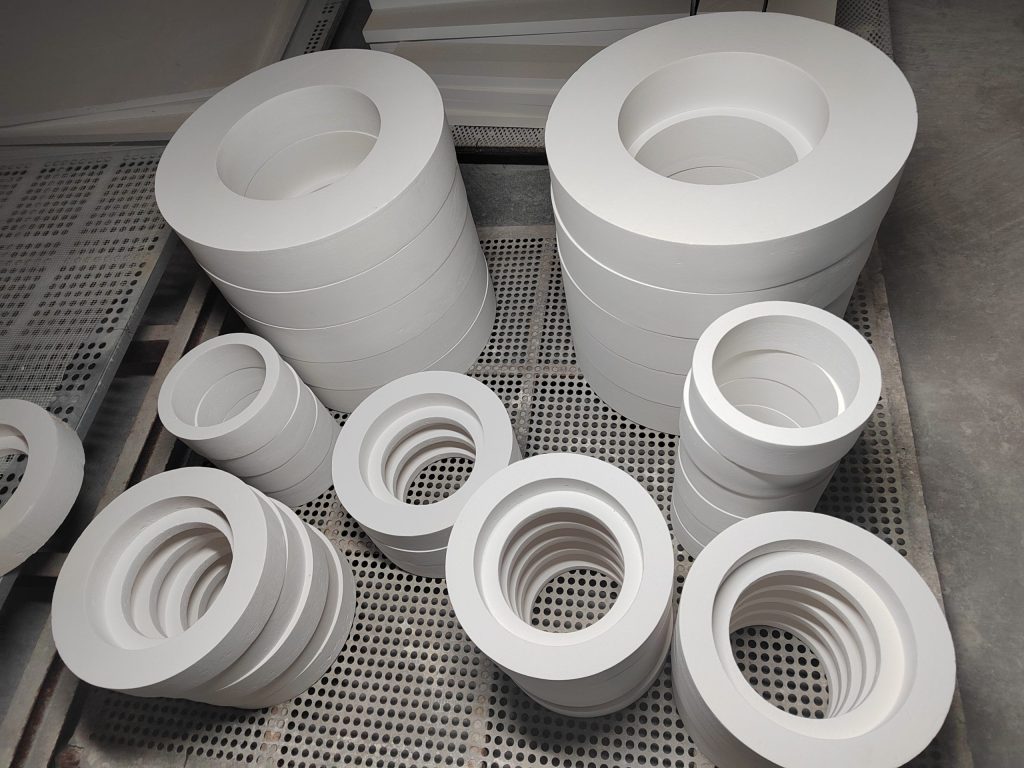
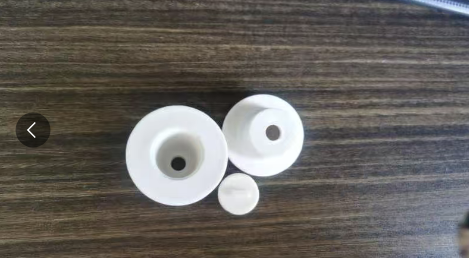
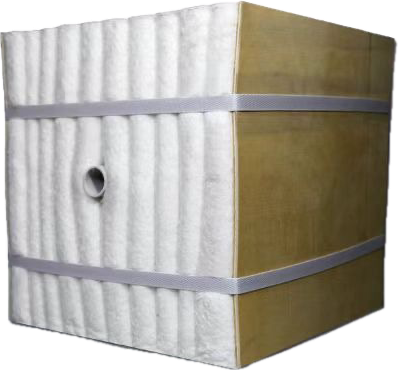
Ceramic fiber vacuum formed shapes, also known as Ceramic Fiber Vacuum Formed Shapes, are high-performance insulation components manufactured by shaping and sintering ceramic fiber materials under vacuum conditions. This process ensures exceptional thermal stability, corrosion resistance, electrical insulation, and mechanical strength, making these products ideal for aerospace, automotive, electronic, and chemical industries.
🔹 What Are Ceramic Fiber Vacuum Formed Parts?
Ceramic fiber vacuum formed parts are created using high-purity ceramic fiber wool combined with selected inorganic and organic binders. The slurry is vacuum-formed into precise molds, then dried and sintered to achieve high density and dimensional stability, which is essential for Ceramic Fiber Vacuum Formed Shapes.
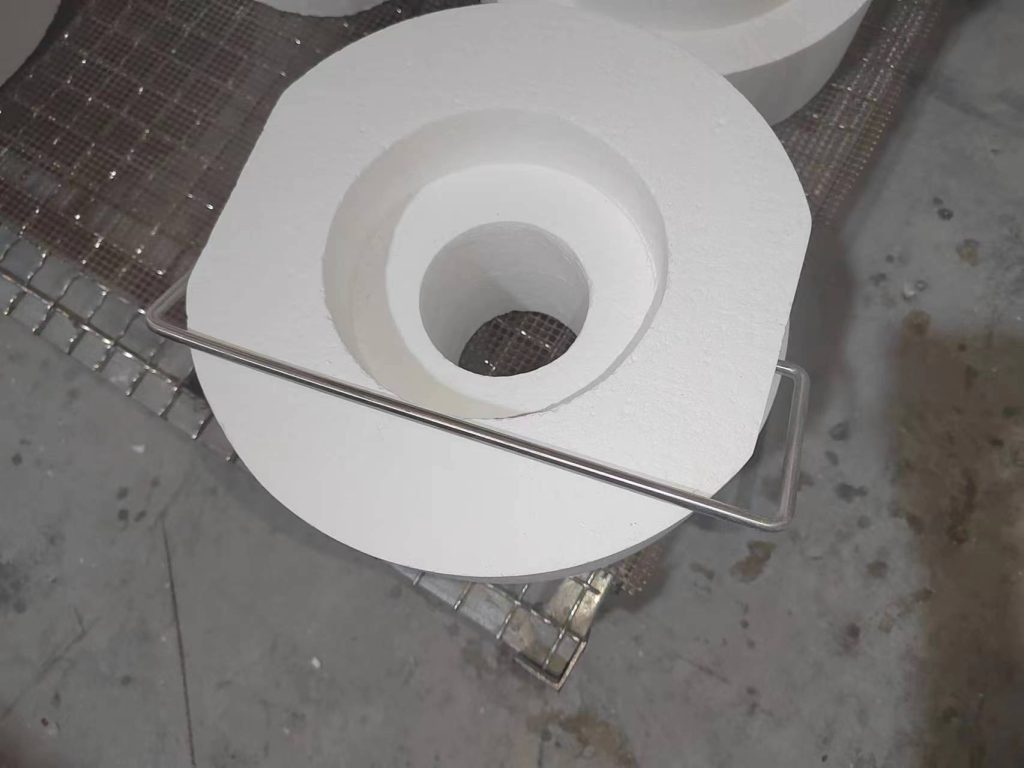
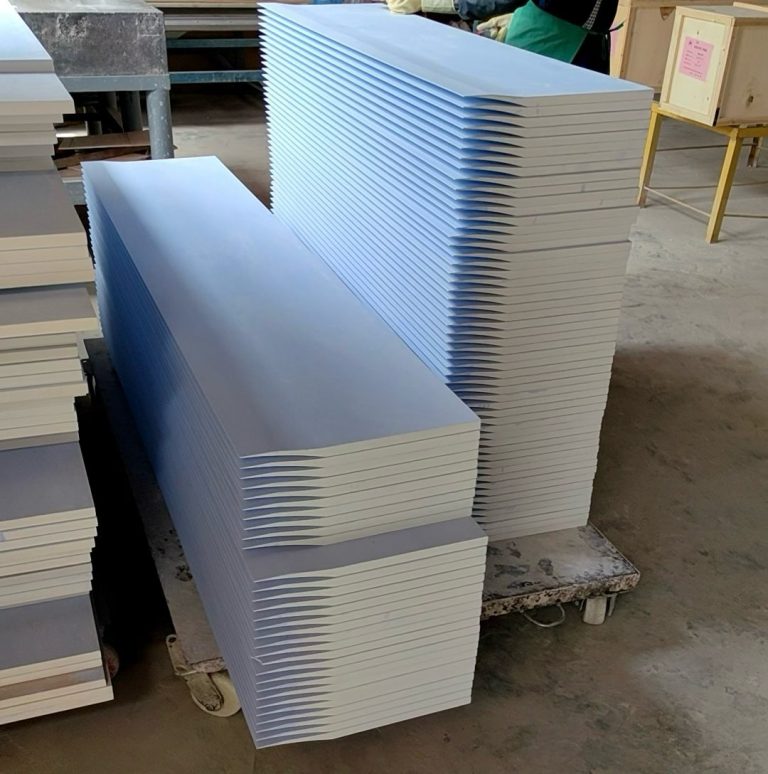
This process allows the production of complex geometries, including boards, rings, tubes, cones, and other customized refractory shapes, suitable for various high-temperature insulation and thermal barrier applications.
🔹 Key Features and Advantages
1. Excellent High-Temperature Resistance
Withstands continuous use at temperatures up to 1260°C–1600°C, depending on material grade, making these ceramic fiber shapes incredibly versatile.
Maintains structural integrity and strength even under thermal cycling or direct flame exposure.
2. Superior Thermal and Electrical Insulation
Extremely low thermal conductivity, reducing heat loss and improving energy efficiency in vacuum formed shapes.
Excellent dielectric strength, ideal for electronic and furnace insulation systems.
3. High Strength and Dimensional Stability
Vacuum forming ensures uniform density and fine structural accuracy, preventing cracking or deformation.
Resistant to gas flow erosion and mechanical stress during long-term use, which is great for those using ceramic shapes.
4. Corrosion and Chemical Resistance
Inert to most acids and alkalis, maintaining performance in harsh chemical environments.
Suitable for use in chemical reactors, thermal processing equipment, and industrial furnaces.
5. Customizable Shapes and Sizes
Capable of producing complex or irregular shapes to meet specific engineering requirements.
Custom design options available for unique insulation systems or OEM applications using ceramic fibers.
🔹 Applications
Ceramic fiber vacuum formed components are widely used in various applications where ceramic vacuum shaped designs are needed:
Aerospace and defense — high-temperature insulation components in engines and heat shields
Automotive industry — catalytic converter insulation and exhaust system protection
Electronics — high-voltage insulation boards and thermal shields
Chemical and metallurgical plants — furnace linings, burner nozzles, crucibles, and thermal protection parts
Power generation — boiler door seals, expansion joints, and heat recovery systems
🔹 Technical Specifications
Property
Typical Value
Working Temperature
1260°C–1600°C
Density
300–400 kg/m³
Thermal Conductivity
≤0.18 W/m·K (at 1000°C)
Compressive Strength
High, depending on shape and formulation
Chemical Stability
Excellent acid and alkali resistance
Customization
Available upon request
✅ Why Choose Our Ceramic Fiber Vacuum Formed shapes
Manufactured from premium ceramic fiber materials with controlled purity
Engineered for high performance, durability, and precision
Suitable for industrial, laboratory, and aerospace applications
Backed by technical support and custom design service
Upgrade your high-temperature insulation system with our ceramic fiber vacuum formed products — combining strength, precision, and reliability for advanced industrial performance.